

- Explore Our Quality Homes That Fit Your Budget

Building a New Home in Iowa: What Happens Between Signing and Getting Your Keys
Every phase, real timelines, and what nobody tells you until you are already in it. From a builder who does this in Ankeny and Des Moines every day.
A custom home in the Des Moines area takes 10 to 14 months from signed contract to move-in. An available home from Happe Homes can close in 30 to 90 days.
The biggest factor in your timeline is not the builder or the weather. It is how quickly you make decisions, specifically during design selections. Buyers who come prepared and decide efficiently regularly finish two months ahead of those who don’t.
Most people who contact us have done plenty of research on floor plans, communities, and cost. What they have not done is sit down and think through what life looks like for the next 12 months while their home is being built.
That gap matters. People who understand the process before they start are calmer, more decisive, and happier with the result. People who go in blind tend to stress over normal things, second-guess normal timelines, and focus energy on the wrong phases.
This is the guide we give to every family before they sign anything with us. Read it, ask questions, then decide.

First, your path
Two Very Different Experiences: Custom vs. Available Homes
Before walking through the construction timeline, you need to know which path you are on. The experience is completely different depending on your answer.
The problem is that floor plans are almost universally presented in ways that make them hard to evaluate honestly. Renderings make rooms look larger and better-lit than they are. Staged model homes are loaded with furniture and accessories that distract from the layout itself. Square footage numbers tell you size but nothing about shape, flow, or how a space actually feels.
A custom home is built from scratch on a lot you select, with a floor plan designed around your family, and finishes you choose from start to finish. You are involved in every major decision. The payoff is a home that fits your life precisely. The cost is time, around 10 to 14 months, and the mental energy of making hundreds of choices.
An available home (sometimes called a spec home) is a brand-new home Happe has already started or completed. The floor plan is set, the finishes have been professionally selected, and you can close in 30 to 90 days depending on where the home is in the build. You get new construction quality without the wait or the decision fatigue.
If you have a specific vision and time is not the main constraint, custom is worth it. If you need to be in a home within 90 days, or you want new construction without spending six months making selections, an available home is often the smarter choice. Here is a full comparison to help you decide.
Phase by phase
The Custom Home Construction Timeline: What Happens When

Here is every phase of the process, in the order it actually happens, with honest time estimates based on building in Iowa's real conditions.
1. Pre-Construction: Lot, Financing, and Planning | 4 to 8 weeks
Before a single shovel hits the ground, you need three things in place: a lot, approved financing, and a signed build agreement. These three things are interdependent. Your financing approval affects which lots you can consider. Your lot affects which floor plans will work. Your floor plan affects the final loan amount.
At Happe Homes, we help you navigate all three at once rather than in sequence, which saves weeks. We have lot inventory across Ankeny and Des Moines metro communities. If you already have a lot or have a specific community in mind, we work from there.
2. Floor Plan Selection and Modifications | 2 to 4 weeks
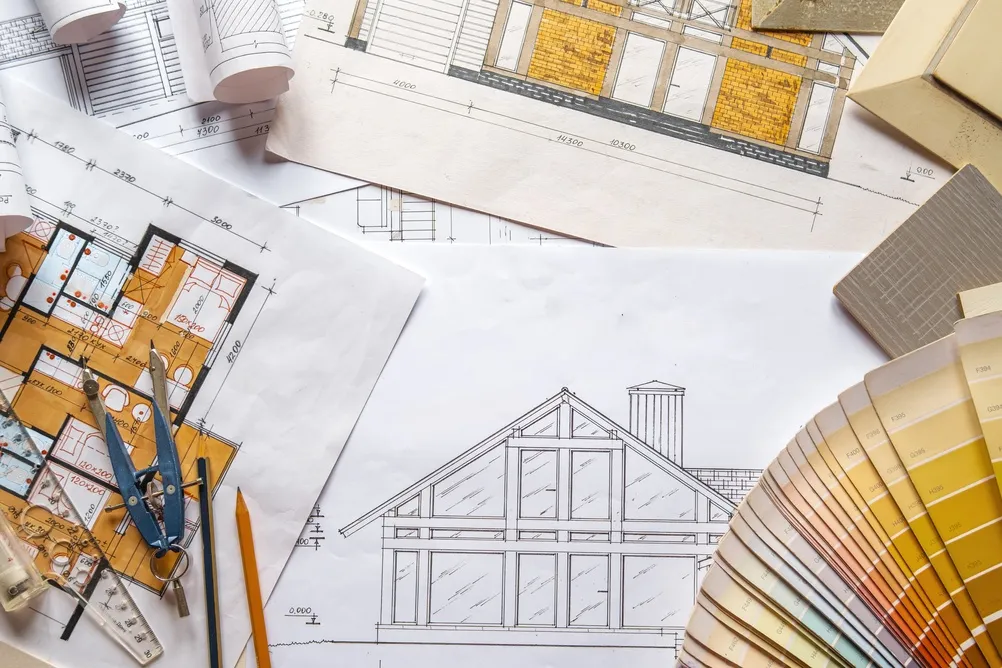
This is your most consequential decision in the whole process. The floor plan determines how your family actually lives in the home for the next decade or two. Room sizes, traffic flow, garage placement, where laundry lives, whether bedrooms are grouped or separated. These decisions are expensive to change after framing starts.
Happe works from a proven floor plan library built around Iowa lots and Iowa lifestyles. You can choose a plan as-is, modify a plan to suit your needs, or work with our team to develop something specific. Non-structural modifications like room layout adjustments, window placement, and garage orientation are typically straightforward. Structural changes are possible but cost more and must happen before permitting.
3. Design Selections | 2 to 6 weeks
This is the phase that surprises almost every buyer. Design selections take longer than people expect, costs more than the base price suggests, and is often the single biggest factor in whether a build stays on schedule.
You will choose your exterior elevation and siding colors, roofline, windows, front door, garage doors, driveway, and landscaping package. Inside, you will select cabinetry style and color, countertops, flooring throughout, tile for bathrooms, plumbing fixtures, lighting, interior paint, and more.
At our design center, you work with someone who knows how these selections interact. The difference between choosing a countertop in isolation versus choosing it against the cabinetry, flooring, and backsplash you have already picked is significant. Off-plan selections that look fine on a sample card often conflict with other choices when they land together in a room.
The buyers who finish selections in two weeks come in knowing what they want and make decisions confidently. The buyers who take six weeks are making decisions by committee or changing their minds after seeing something in a neighbor’s home. Neither is wrong, but know which one you are before you start.
4. Permits and Site Prep | 3 to 6 weeks
Happe handles the entire permitting process. In Polk County and its municipalities, building permits cover foundation, framing, plumbing, electrical, and HVAC inspections. The timeline varies by jurisdiction. Ankeny’s permit office moves at a different pace than Des Moines proper, and both move differently than smaller municipalities like Polk City or Grimes.
While permits are processing, site prep begins: grading the lot, marking the foundation footprint, and confirming utility connections. On a flat, utilities-ready lot in an established subdivision, this is fast. On a sloped lot or a raw lot without existing utility stubs, it takes longer and costs more.
5. Foundation and Basement | 2 to 4 weeks
Iowa homes have full basements as a standard feature. The frost depth here requires a foundation that goes below the freeze line, and builders have long treated the space above that foundation as liveable square footage rather than wasted concrete.
Foundation work includes excavation, forming and pouring the footings, pouring the basement walls, waterproofing the exterior, and backfilling. In Iowa’s climate, concrete cannot be poured in temperatures below about 40 degrees Fahrenheit without special procedures. Builds that reach this phase in November or December may see weather-related pauses.
6. Framing | 3 to 5 weeks
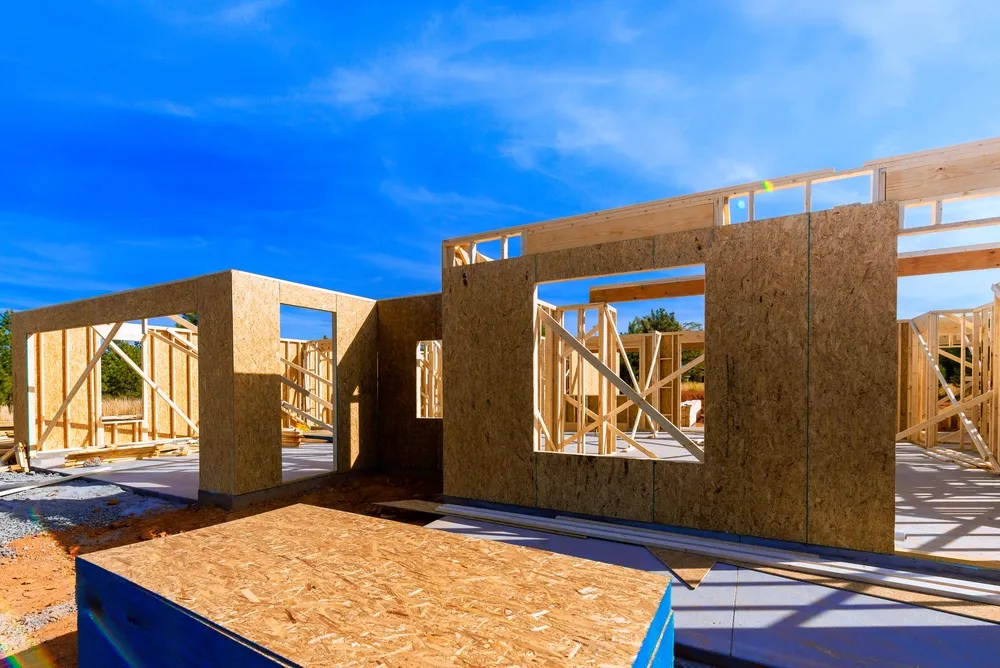
This is the phase that makes the build feel real. The lumber arrives, the walls go up, the roof takes shape, and for the first time you can walk through your home and understand how the floor plan translates into actual space.
Framing also reveals things that paper plans cannot fully communicate: how natural light falls in the main living area, how the garage-to-kitchen path feels, whether a bedroom is larger or smaller than you pictured. Walk the frame as often as you like during this phase. It is the last opportunity to spot layout decisions that feel different in person than they did on paper.
This is the phase that makes the build feel real. The lumber arrives, the walls go up, the roof takes shape, and for the first time you can walk through your home and understand how the floor plan translates into actual space.
Framing also reveals things that paper plans cannot fully communicate: how natural light falls in the main living area, how the garage-to-kitchen path feels, whether a bedroom is larger or smaller than you pictured. Walk the frame as often as you like during this phase. It is the last opportunity to spot layout decisions that feel different in person than they did on paper.
After framing, the home goes through a framing inspection before anything is covered. Windows and exterior doors are installed during or immediately after framing.
7. Mechanical Rough-Ins: HVAC, Plumbing, Electrical | 4-6 weeks
With the frame up, the mechanical trades move in. This is when the HVAC ductwork is run, the plumbing supply and drain lines are installed, and the electrical wiring is roughed in throughout the house. These three trades work in a specific sequence and inspect separately, which is why this phase takes longer than it might look from the outside.
This is also when decisions made during selections become physical reality. The location of that kitchen island outlet, the placement of the primary bath soaking tub, the number of circuits in the garage, the thermostat location. All of these were specified in the plan and are now being built.
8. Insulation and Drywall | 3 to 4 weeks
After mechanical inspections pass, the walls get insulated and drywalled. In Iowa, insulation is not optional and not minimal. The Iowa Energy Code sets minimum requirements, but quality builders go beyond the code minimum, particularly in the attic and exterior walls, because the difference shows up in every utility bill for the next 30 years.
Drywall installation, taping, mudding, and finishing takes time to do properly. Rushing it creates visible seams and nail pops that show up after you move in and the house goes through its first seasonal humidity cycle. This is a phase where impatience produces regret.
9. Cabinetry, Flooring, and Trim | 4 to 6 weeks
This is when your selections arrive in the home and you begin to see the finished product taking shape. Cabinets are installed first, then countertops are templated and fabricated (stone countertops are measured and cut off-site, which adds lead time). Hardwood or luxury vinyl plank flooring goes in, tile is laid in bathrooms and mudroom areas, and interior trim and doors are installed.
Lead times on custom or semi-custom cabinetry are the most common cause of delay in this phase. Standard stocking cabinets arrive in a week or two. Semi-custom takes three to six weeks. Custom cabinetry can take eight to twelve weeks. If your design requires a specific cabinet that takes twelve weeks to arrive, that window is locked into the schedule from the day you placed the order during selections.
10. Final Finishes and Fixtures | 2 to 4 weeks
The home is nearly complete. This phase covers painting throughout, installation of plumbing fixtures and faucets, lighting fixtures and switches, appliances, closet shelving, bathroom accessories, garage door openers, and exterior work including driveway, grading, and seeding.
It also includes the finish electrical and plumbing inspections and, in most Iowa municipalities, a final building inspection. The project manager is tracking a detailed punch list of items to confirm before scheduling the buyer walkthrough.
11. Walkthrough, Punch List, and Closing | 1 to 2 weeks
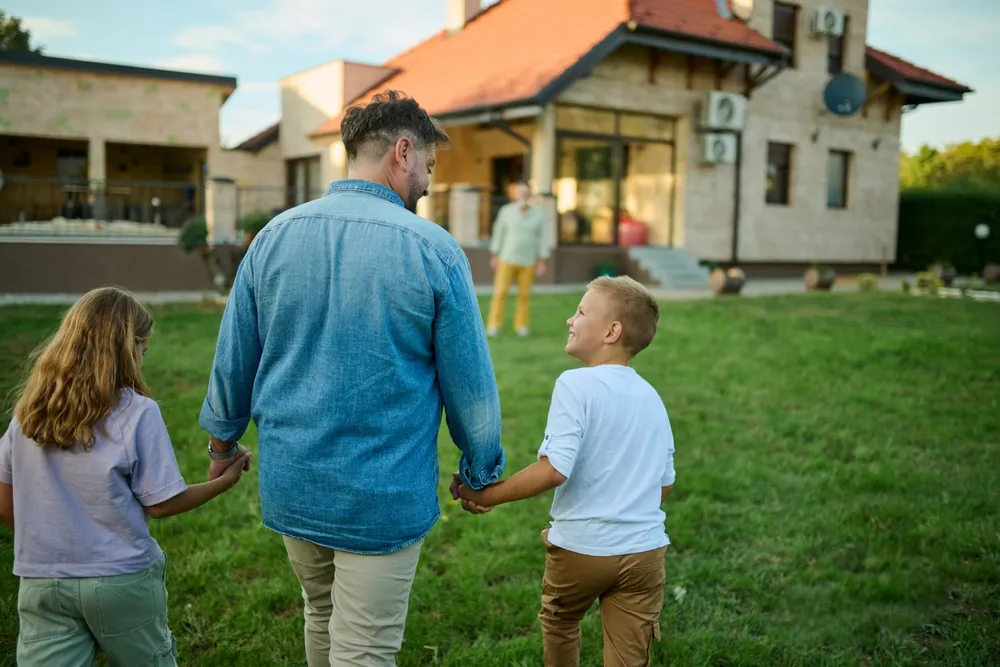
Your pre-closing walkthrough is the most important meeting in the whole process after the initial contract signing. You and your Happe project manager walk every room together. You test every outlet, every door, every window. You run every faucet, check every appliance, cycle the HVAC, and operate the garage door. Anything that is not right goes on the punch list and gets addressed before closing.
A good builder welcomes a thorough walkthrough. This is how we demonstrate confidence in what we have built. Take your time. Bring a notepad. Do not rush through it because you are excited to get the keys.
After punch list items are cleared, you close. The title company coordinates the paperwork, your lender funds the loan, and you receive your keys. The Happe Homes warranty activates on closing day.
The Real Causes of Delays in Iowa Home Construction
Every builder talks about weather delays. Weather is real, but it is not the leading cause of delays in Des Moines area builds. Here is an honest breakdown:
| Cause | How Common | How to Avoid It |
|---|---|---|
| Slow design selection decisions | Very common | Come to your design appointment with a style direction already decided. Pin images, visit model homes, know your budget per category before you sit down. |
| Selection changes mid-build | Common | Changing a cabinet selection after ordering restarts that lead time. Changing tile after it has been ordered triggers a restocking fee and a new order timeline. Commit fully before signing off on selections. |
| Permit timeline variance | Common | Different municipalities move at different speeds. We factor this into projected timelines based on where your lot is. We cannot speed up a permit office, but we can start the application the moment we are ready. |
| Iowa winter weather | Seasonal | Foundation pours and exterior framing are weather-sensitive. Builds that reach these phases in November through February may have weather pauses. We factor seasonal windows into our scheduling. |
| Material lead times | Less common now | Supply chains have largely stabilised since 2023. Long-lead items like custom cabinetry, specialty windows, and some appliances still require planning. These are managed through early ordering after selections are locked. |
| Subcontractor scheduling | Less common | Happe works with long-standing trade partners in central Iowa. Our schedule gets priority treatment from crews we have worked with for years. Builders who shop for cheapest available labor each project cannot say the same. |
What You Can Do to Keep Your Build on Time
Your builder controls what happens on the job site. You control your decisions. The schedule is a collaboration, and these are the things buyers can do to keep it moving.
Get full mortgage pre-approval before your first meeting.
Not pre-qualification. A full pre-approval with a lender who handles Iowa new construction loans. This removes the single biggest early-phase uncertainty.
Come to design selections with a direction already in mind.
Tour model homes, save images, know what style you are going for. The buyers who decide in two weeks did not make faster decisions. They came more prepared.
Lock in your selections and do not change them.
Every change after ordering resets a lead time. The cost of changing your mind mid-build is not just money. It is weeks.
Lock in your selections and do not change them.
Every change after ordering resets a lead time. The cost of changing your mind mid-build is not just money. It is weeks.
Respond to questions from your project manager quickly.
Build schedules move on decisions. A question sitting unanswered for a week is a week of schedule lost.
Flag concerns immediately, not at the walkthrough.
If something looks wrong during a site visit, say something that day. Issues caught early cost a fraction of what they cost after they are covered by drywall or flooring.
Budget a 7 to 10 percent contingency above your stated number.
Not because we expect problems. Because buyers who have a cushion make better decisions under pressure than buyers who are already at their ceiling.
What You Can Do to Keep Your Build on Time
A 10 to 14 month custom build timeline does not work for every family. If you have already sold your current home, if you are relocating for a job with a fixed start date, or if you simply do not want to spend the next year making construction decisions, there is another option.
Happe Homes builds available homes across Ankeny and the Des Moines metro. These are brand-new homes, built to Happe’s quality standards, with professionally selected finishes. You can close in 30 to 90 days depending on where the home is in the build.
Available homes are not compromises. They are finished homes in desirable communities, built the same way we build every custom home. The difference is that someone who knows design has already made the selection decisions for you, and the result is a cohesive home you can move into quickly.
The best available homes in popular communities like Prairie Trail and Rock Creek are often under contract within a few weeks of listing. If timing matters, getting pre-approved and starting this conversation early gives you first access. See what is currently available.

Questions Families Ask Us About Floor Plans
A custom home in the Des Moines metro area takes 10 to 14 months from signed contract to closing. Available homes from Happe close in 30 to 90 days. The biggest variable in a custom build is how quickly the buyer completes design selections. Buyers who come prepared and decide efficiently often finish closer to 10 months. Browse available homes if your timeline is tighter.
Design selections, consistently. Not because the decisions are technically hard, but because there are a lot of them and they happen in a concentrated window while you are also managing the rest of your life. The buyers who handle this phase with the least stress are the ones who walk in with a style direction already formed and trust the design team to flag conflicts. The buyers who struggle are the ones who try to research every option from scratch in real time.
Yes, and we encourage it at key milestones, particularly during framing. Walking the frame while walls are open is the best way to confirm that the floor plan translates into space the way you expected. For safety reasons, site visits should be coordinated with your project manager rather than dropping in unannounced when tradespeople are working. Your project manager can arrange visits at appropriate times throughout the build.
Your Happe Homes warranty covers workmanship and materials defects, mechanical systems including HVAC, plumbing, and electrical, and structural components with coverage periods specific to each category. New homes go through a normal adjustment period in the first year as the structure settles and seasonal humidity changes affect materials. Things like minor drywall cracks and door adjustments in year one are normal and covered. Contact the Happe warranty team directly for anything you notice after move-in.
In 2026, building a home in the Des Moines area costs between $150 and $350 per square foot depending on home type and finish level. Most Happe custom builds land between $430,000 and $700,000 all-in including land, site prep, construction, and closing costs. Available homes start in the low $300s. For a full breakdown by home size and type, see our complete cost guide.
No. Happe has lot inventory in communities across Ankeny, Des Moines, Johnston, Grimes, and Altoona. We can walk you through available lot options as part of the first conversation. If you already own a lot or have a specific community in mind, we start there. Either way, lot selection and builder selection happen in the same conversation with us, not as two separate processes. See all communities where Happe builds.
Custom builds are typically financed with a construction-to-permanent loan, which funds the construction phase and converts to a standard mortgage at closing. You pay interest only on draws during construction. Available homes work like a standard home purchase and use a traditional mortgage. First-time buyers in Iowa should also look at the Iowa Finance Authority programs, which offer below-market rates and down payment assistance for qualifying buyers. We can connect you with lenders who work specifically with Iowa new construction if you need a starting point.
That depends entirely on how your family lives day to day. Ranch plans work best for accessibility and aging in place. Two-story plans give you more square footage on a smaller lot and better separation between adult and kid spaces. The most underrated question is not the layout itself but the garage and mudroom placement, because in Iowa, you use that entry every single day from November through March. We wrote a full guide on this: How to Choose the Right Floor Plan for Your New Home in Iowa.